
What Triggers IRS Notices (And What Usually Doesn’t)
What Actually Triggers an IRS Notice?
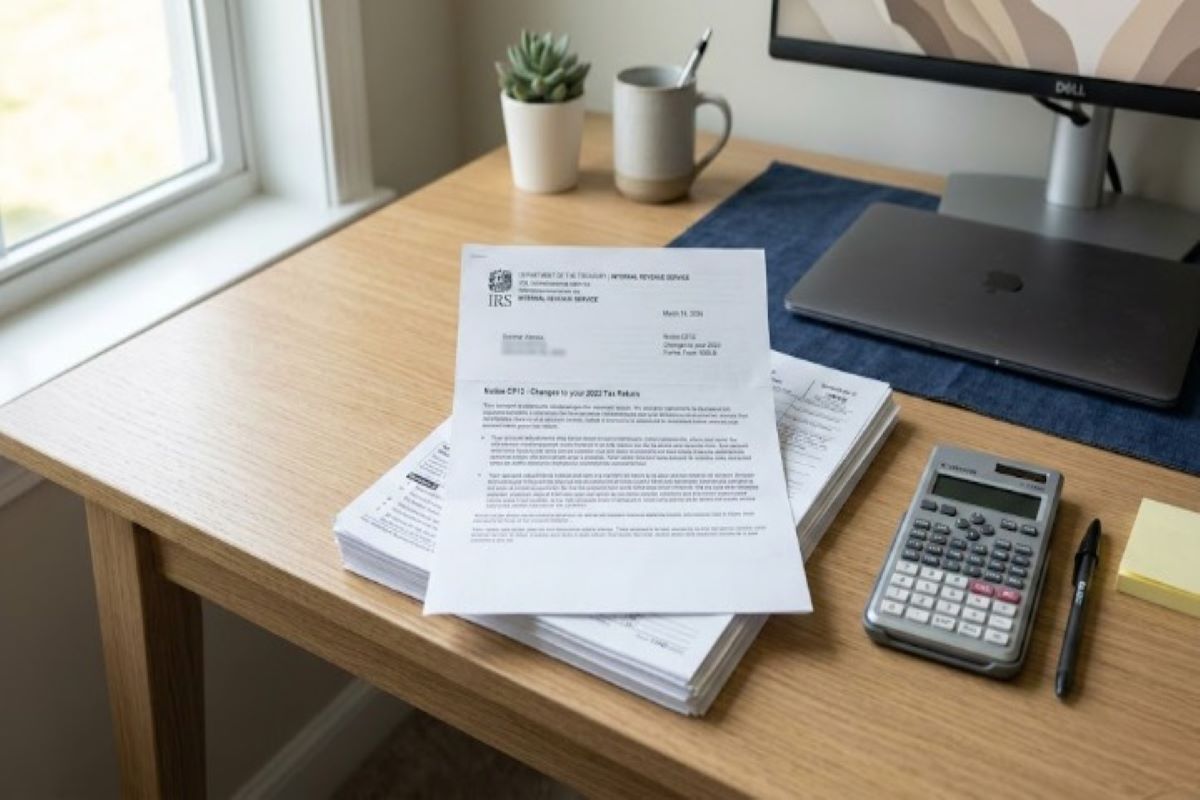
You open the letter, and your first thought is usually the same: “Why did they send this to me?”
In most cases, it’s not random. And it’s not the IRS coming after you.
It usually comes down to something small. A mismatch, a math error, or a missing piece of information.
The IRS runs automated checks that compare what you reported with what employers, banks, and platforms reported about you through forms like W-2s and 1099s. When something doesn’t line up, the system flags it and sends a notice.
That’s how these letters start.
Not with an accusation. Not with a person reviewing your file. Just a system trying to reconcile two sets of numbers.
Once you see it that way, it becomes easier to understand what you’re dealing with.
It’s procedural. Not personal. And in most cases, it’s fixable.
The Most Common Triggers for IRS Notices
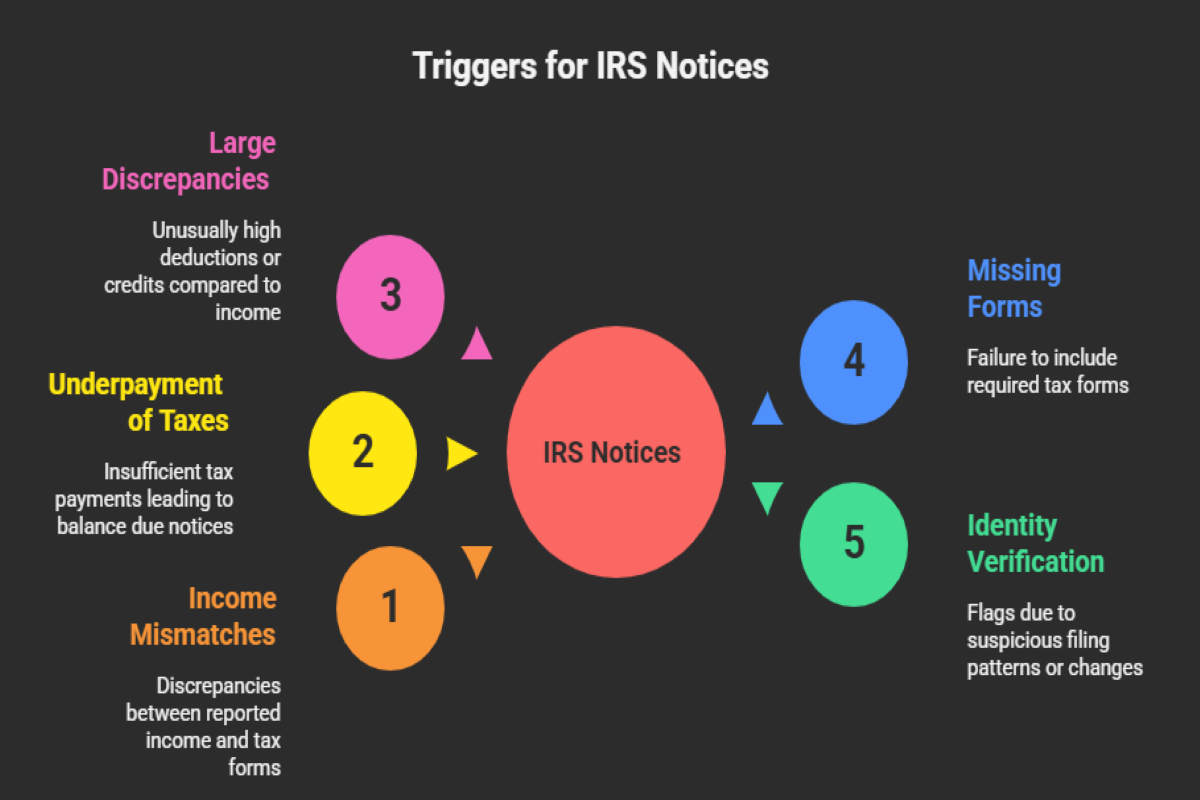
Most IRS letters come from a small number of patterns. Once you see them, they stop feeling random.
Here are the issues that generate the majority of notices.
1. Income Mismatches
This is the most common trigger.
The IRS compares your return to the income reported by third parties. That includes:
W-2s from employers
1099-NEC or 1099-MISC from clients
1099-K from payment platforms
1099-INT and 1099-DIV from banks
Brokerage statements
If those numbers don’t match what you reported, the system flags it.
That usually happens when a form was left off your return, reported under the wrong Social Security number, or filed late by the payer.
When that happens, you may receive a CP2000 notice proposing an adjustment.
This doesn’t mean you’re being audited. It means the system detected a difference and wants to reconcile it.
2. Underpayment of Taxes
Balance due notices, like CP14, are often triggered by:
Insufficient withholding
Underestimated quarterly payments
Reduced credits
Payments applied to the wrong tax year
This is especially common for self-employed individuals, freelancers, business owners, and people with multiple income streams, where income doesn’t come in evenly throughout the year.
Timing errors are common. And they’re fixable.
3. Large Discrepancies Relative to Income
The IRS system flags returns where deductions or credits appear unusually high compared to reported income.
For example, this can include very large charitable deductions, significant business losses, high home office deductions, or repeated Schedule C losses.
That doesn’t automatically mean something is wrong. But it can trigger a documentation request so the IRS can verify the numbers.
4. Missing Forms
Failure to include required forms can also trigger a notice.
This often involves forms like 1095-A for health insurance, Form 8962 for premium tax credit reconciliation, or required schedules related to business income.
In some cases, the return is processed first and only flagged later when those missing forms are detected.
5. Identity Verification Flags
If your return triggers fraud filters, you may receive a letter such as 5071C.
Triggers can include:
Change in filing pattern
New address
Direct deposit changes
Suspicious filing timing
This is a protection mechanism. Not an accusation.
What Usually Does Not Trigger an IRS Notice
There’s a lot of misinformation online about what triggers IRS notices.
Some actions sound risky, but in reality, they don’t automatically create a problem. That includes claiming legitimate deductions, taking a home office deduction when it’s properly documented, filing for a refund, using tax software, or working with a tax professional. Even small, reasonable rounding differences are normal and rarely an issue.
The IRS is not reviewing most returns manually.
Most notices are generated by systems comparing data. When something doesn’t match, that’s what triggers a letter.
Do Small Business Owners Trigger More Notices?
Business owners often receive more notices simply because more filings are involved.
You may have:
Payroll filings
Estimated payments
1099 issuance
Sales tax filings
Income reporting from multiple platforms
More reporting means more opportunities for something not to match.
But that doesn’t automatically mean higher audit risk.
Most small business notices come down to a few things: income matching issues, payroll deposit timing, or underestimated quarterly payments.
These are administrative. Not investigative.
Do Certain Deductions Increase Audit Risk?
Some deductions receive more scrutiny, especially if they are disproportionate to income.
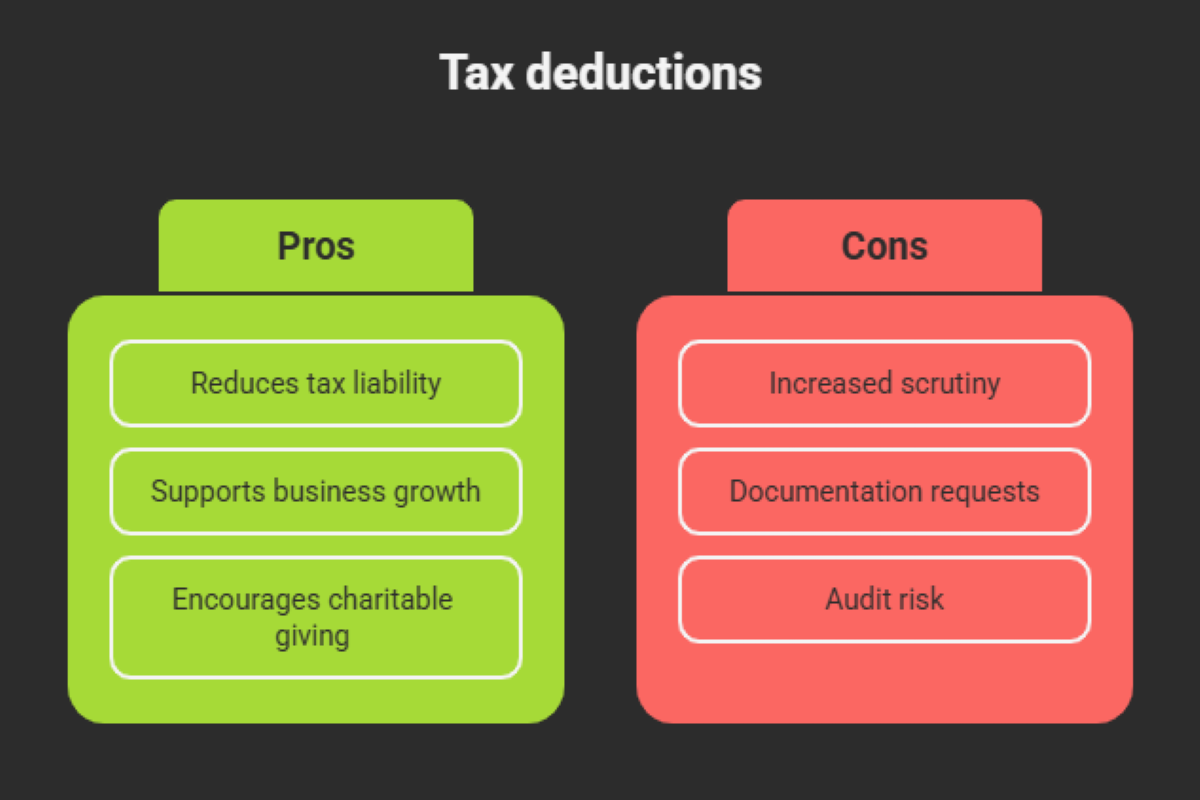
Examples include:
100% business vehicle use
Large charitable contributions
Repeated net losses
High meal and travel deductions
But scrutiny does not equal an automatic audit.
It increases the likelihood of documentation requests.
That’s different from a full examination.
Why It Feels Random (Even When It Isn’t)
From the outside, IRS notices can feel arbitrary.
But most of them fall into a few predictable categories: a mismatch, an underpayment, a missing form, a disproportionate deduction, or an identity verification check.
Once you see that pattern, it starts to make more sense.
These notices are system-based, not personal. And understanding that tends to remove a lot of the initial fear.
When a Trigger Is Worth a Closer Look
You should review more carefully if:
The adjustment amount is large
Multiple years are involved
The notice references the examination
The collection language appears
That’s when precision matters. Not panic.
If You’re Wondering What Triggered Yours
Most people don’t receive a notice and immediately know why.
Instead, their mind starts racing.
“What did I miss?”
“Is this going to turn into something bigger?”
“Did I do something wrong?”
In most cases, the answer is simpler than it feels in that moment. It’s usually a mismatch or a timing issue.
But guessing keeps the uncertainty alive. And that’s very different from actually knowing what triggered it.
Not Sure Why You Got the Letter? Let’s Make It Clear
At this point, you understand how these notices happen.
But that doesn’t always make your specific situation clear.
You still might be looking at the letter thinking:
“Okay… but which one of these applies to me?”
That’s where most people stay stuck.
Not because it’s complicated.
Because they don’t have confirmation.
And without that, every option feels risky. Ignore it? Respond? Wait?
That uncertainty is what turns a small issue into a bigger one.
This is exactly what we help you remove.
We’ll go through your notice with you and give you a clear answer on:
What actually triggered it
Whether the amount makes sense
Whether anything needs to be corrected or documented
What to do next, step by step
If it’s minor, you’ll know quickly.
If it needs attention, you’ll know exactly how to handle it.
If you want clarity on what you’re dealing with and how to resolve it properly, schedule a notice review with our team.