

How Stores Trick You Into Buying More: The Psychology of Impulse Spending
Most people assume overspending comes down to one thing: discipline. If you buy things you didn’t plan for, it must mean you lack self-control. At least that’s the story many people tell themselves after walking out of a store with twice as much as they intended to buy. Usually, it’s more complicated than that. Modern stores are designed to influence behavior. Every detail, from the layout to the lighting to the checkout process, is built to reduce friction between emotion and spending. Online stores do the same thing through recommendation algorithms, urgency prompts, subscriptions, and one-click purchases.
And most of the time, we don’t even notice it happening.This is more common than people think. Even financially responsible people fall into these patterns, especially when they’re stressed, busy, distracted, or mentally overloaded. When your brain is focused on solving ten other problems, small spending decisions become easier to justify and harder to evaluate clearly.
That’s part of what makes impulse spending so effective. Retail psychology works because it targets habits, emotions, convenience, and attention. It doesn’t usually feel manipulative in the moment. It feels efficient. Comfortable. Rewarding. Sometimes it even feels deserved.
A quick coffee during a stressful afternoon.
An extra item because shipping is “almost free.”
A sale that feels too good to miss.
A subscription you meant to cancel three months ago.
Individually, these purchases rarely feel significant. Over time, they quietly reshape spending habits and drain more money than most people realize. That doesn’t mean stores are evil, and it doesn’t mean consumers are powerless. But it does help to understand what’s actually happening. Because once you recognize the systems designed to influence spending behavior, it becomes much easier to make intentional financial decisions instead of reactive ones.
In this guide, we’re breaking down:
how stores influence buying behavior
the psychology behind impulse spending
why overwhelmed people are more vulnerable to overspending
the retail tactics most consumers miss
and what actually helps people regain control over spending habits
Not from a place of shame or panic. Just clarity.
Decision Fatigue Changes Spending Behavior
Every day, people make thousands of decisions. Work decisions. Financial decisions. Parenting decisions. Business decisions. Schedule changes. Messages. Notifications. Problems that need attention immediately. Eventually, the brain starts looking for shortcuts. Psychologists call this decision fatigue.
The more mentally exhausted you become, the more likely you are to:
seek convenience
avoid friction
justify emotional purchases
make faster decisions
prioritize immediate rewards over long-term planning
Retail systems are built around this behavior. That’s why checkout lanes are filled with snacks, small electronics, and impulse items. It’s why online stores push “recommended for you” products right before payment. It’s why subscription services make cancellation harder than sign-up. The less resistance between thought and purchase, the more likely spending becomes. And for overwhelmed business owners or busy households, that friction disappears quickly.
Emotional Spending Usually Doesn’t Feel Emotional
Most people think emotional spending looks dramatic.
It usually doesn’t.
Most emotional purchases look practical in the moment:
ordering takeout because the day got away from you
buying a productivity tool you hope will finally organize everything
adding extra items to avoid shipping fees
upgrading something because you’re exhausted and want convenience
making “small” purchases that help you feel temporarily ahead again
None of those decisions feel reckless.
That’s why they’re easy to repeat.
Over time, these patterns quietly become habits. And because the purchases are often small or emotionally justified, people underestimate how much they’re actually spending.
This usually only becomes visible later:
when subscriptions pile up
when cash flow feels tighter than expected
when credit card balances stop dropping
or when someone looks back and realizes they’ve been spending reactively for months
That’s where people usually get stuck.
Not because they’re irresponsible.
Because modern spending environments are designed to make reactive purchases feel normal.
Why Smart People Are Often More Vulnerable Than They Realize
One of the biggest misconceptions about overspending is that knowledge automatically prevents it.
Usually, it doesn’t.
Highly capable people often justify spending more easily because they’re confident they’ll “figure it out later.”
Business owners do this constantly:
“I’ll make it back next month.”
“This tool will save time.”
“I need this to stay productive.”
“I’ve been working nonstop. It’s fine.”
Sometimes those purchases are valuable.
Sometimes they’re just stress responses dressed up as business decisions.
And when someone is already overloaded, it becomes harder to separate the two.
That’s one reason financial clarity matters so much.
Not to eliminate every unnecessary purchase. That’s not realistic.
But to recognize when spending patterns are being driven by exhaustion, pressure, convenience, or emotional overload instead of intentional decisions.
Because once you understand how those patterns work, it becomes much easier to spot the systems stores use to influence them in the first place.
How Stores Are Designed to Influence Spending
Most people think they shop based on logic. In reality, shopping environments are carefully engineered to influence attention, emotion, and decision-making long before someone reaches checkout. That influence happens in physical stores, online stores, apps, and even subscription platforms. The methods change, but the psychology stays consistent:
reduce friction
increase urgency
trigger emotional reactions
encourage fast decisions
keep people spending longer than intended
The important part is this: Most of these systems work best when people are distracted, mentally overloaded, or emotionally depleted. That’s why overspending often feels accidental afterward.
The spending decision didn’t happen in one moment. It happened through dozens of small behavioral nudges working together.

Store Layouts Are Built to Slow You Down
Walk into a grocery store and notice what happens. Essential items like milk, eggs, and bread are rarely near the entrance. They’re usually placed deep inside the store. That’s intentional.
The longer customers move through aisles, the more products they see. And every additional product creates another opportunity for impulse spending.
Large retailers spend millions studying movement patterns:
where people naturally look
how fast they walk
what catches attention
which aisle placements increase sales
how music and lighting affect behavior
Even small layout decisions matter. Products placed at eye level sell more than products on lower shelves. Items near checkout lines generate impulse purchases because decision fatigue is highest near the end of a shopping trip. This is especially effective when the products are inexpensive enough to feel emotionally harmless:
candy
drinks
phone accessories
small household items
“limited-time” offers
One item rarely feels significant. But repeated impulse decisions compound fast over time.
Online Stores Remove Friction on Purpose
Physical stores rely on layout. Online stores rely on speed. The goal is to eliminate every possible pause between desire and purchase.
That’s why modern ecommerce systems use:
one-click checkout
saved payment information
autofill shipping
personalized recommendations
countdown timers
“only 2 left” inventory warnings
flash sale notifications
post-purchase upsells
These systems are designed to reduce reflection. The less time someone spends thinking, the more likely they are to buy emotionally instead of intentionally. And personalization makes this even stronger.
Algorithms learn:
what you browse
what you hesitate on
what time you shop
what categories trigger purchases
how price-sensitive you are
Over time, stores stop feeling like catalogs. They start feeling tailored specifically to your behavior.
That creates the illusion that spending decisions are entirely self-directed, even when the environment is heavily influencing them.

Scarcity and Urgency Change How People Think
One of the strongest spending triggers is perceived scarcity. When people believe something may disappear, their decision-making changes immediately. That’s why stores constantly use phrases like:
“limited stock”
“sale ends tonight”
“only a few remaining”
“exclusive access”
“last chance”
Urgency shifts the brain away from evaluation and toward reaction.
Instead of asking:
“Is this worth buying?”
People start asking:
“What if I miss this opportunity?”
That emotional shift matters because fear of loss is psychologically stronger than the satisfaction of gaining something new. And in high-stress environments, urgency becomes even more effective. Someone already overwhelmed is far more likely to make fast decisions just to remove mental tension.
Small Purchases Create False Safety
One reason impulse spending becomes difficult to notice is because many purchases are individually small.
A $9 add-on.
A $14 subscription.
A $27 online order.
A discounted item during checkout.
Each purchase feels manageable.
That creates a dangerous illusion:
“If it’s small, it doesn’t matter.”
But stores understand cumulative behavior extremely well. Subscription businesses, mobile apps, and ecommerce brands often rely more on repeated small purchases than large transactions. Because psychologically, people defend small purchases far less aggressively. A person may carefully evaluate a $1,500 expense. But they may barely question twenty $20 purchases spread across a stressful month. The financial impact can end up surprisingly similar.
Retail Psychology Works Best When People Feel Emotionally Drained
This is the part many people miss. Retail psychology becomes dramatically more effective when someone is:
stressed
anxious
overworked
lonely
mentally exhausted
emotionally depleted
Because under stress, people naturally seek:
comfort
relief
convenience
stimulation
reward
escape
And spending can temporarily provide all of those feelings. That’s why emotional spending often spikes:
after difficult workweeks
during burnout
late at night
during periods of uncertainty
after emotionally draining events
The purchase itself becomes less about the product. It becomes about emotional regulation. And modern stores are increasingly optimized around that behavior. Not because businesses are trying to “manipulate” people in some dramatic way, but because companies aggressively study what increases conversions, retention, and purchase frequency. The systems that survive are the systems that work.
Awareness Creates Friction Again
Most people cannot completely avoid these influences. That’s not realistic. But awareness changes behavior because it reintroduces friction into the decision-making process.
Once someone recognizes:
why urgency feels powerful
why late-night purchases happen
why convenience spending increases under stress
why checkout systems feel effortless
why “small” purchases accumulate quietly
they become more intentional automatically. That pause matters. Because most overspending does not happen through one catastrophic decision. It happens through repeated moments where exhaustion, emotion, and engineered convenience quietly override intentional thinking.

Why Debt Feels Invisible Until It Becomes Overwhelming
Most people do not wake up one day and intentionally decide to create financial pressure for themselves.
Debt usually builds slowly.
Quietly.
One small decision at a time.
That’s part of what makes modern spending habits difficult to detect early. The financial damage rarely appears immediately. Instead, purchases become separated from consequences by time, minimum payments, subscriptions, financing systems, and digital convenience.
The emotional reward happens now.
The financial impact arrives later.
And when those two experiences become disconnected, overspending becomes much easier to normalize.
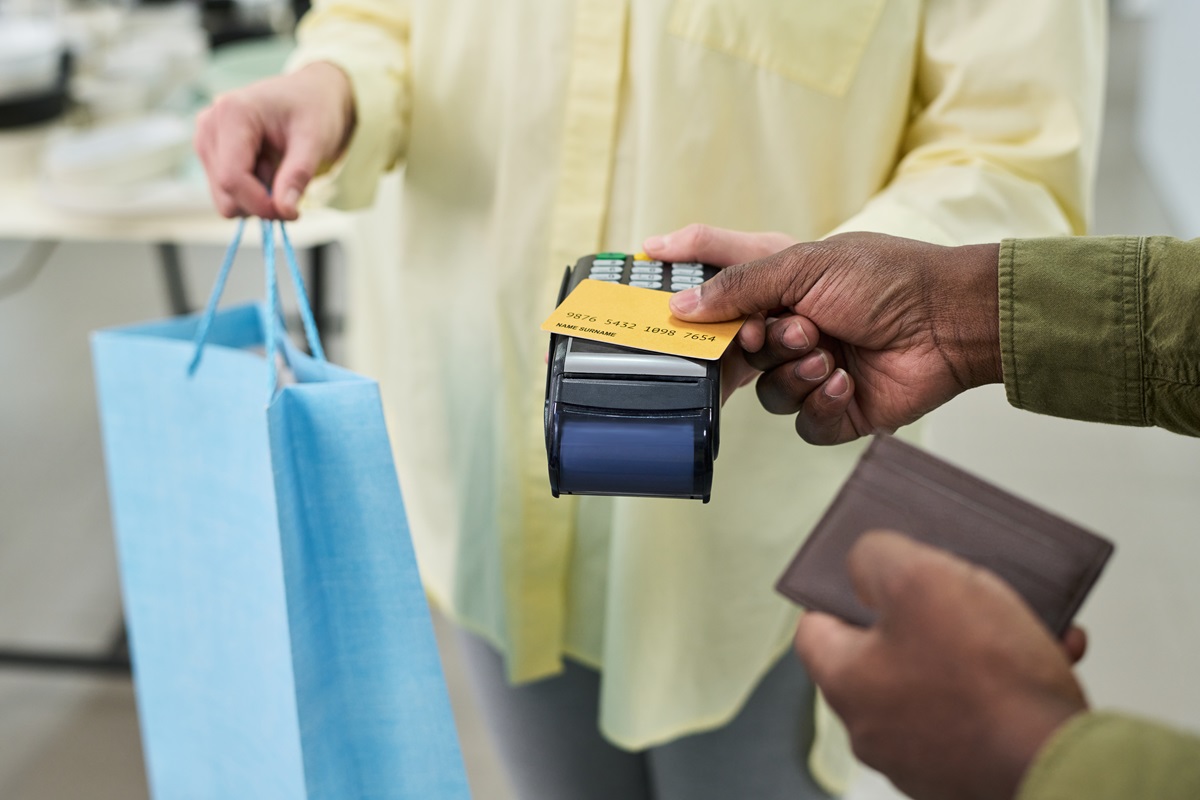
Modern Payment Systems Are Designed to Reduce Spending Friction
Years ago, spending money felt more tangible.
People physically handed over cash. They watched money leave their wallet in real time. That created psychological resistance.
Digital payments changed that.
Now purchases happen through:
saved credit cards
mobile wallets
automatic renewals
one-click checkout
installment plans
buy now pay later systems
The transaction barely feels real.
That’s not accidental.
The easier it becomes to complete a purchase, the less time people spend evaluating whether they should make it in the first place.
This is especially true online, where platforms aggressively optimize for conversion speed.
The goal is simple:
remove hesitation.
And financially, hesitation is often protective.
Small Payments Make Large Spending Feel Manageable
One of the most effective psychological tactics in modern retail is payment fragmentation.
Instead of showing the full financial weight of a purchase, companies break it into smaller pieces:
“Only $19/month”
“Four easy payments”
“Try free for 30 days”
“Just $8.99 per week”
This changes how the brain processes cost.
A person may hesitate at a $500 expense.
But they may feel comfortable with:
$25 monthly software tools
multiple subscriptions
installment plans
recurring convenience purchases
Individually, each payment feels reasonable.
Collectively, they quietly reshape cash flow.
And because the spending is spread across weeks or months, people often underestimate how much they are actually committing to financially.
Subscription Spending Creates “Invisible” Financial Leaks
Subscriptions are one of the clearest examples of modern frictionless spending.
Most begin with good intentions:
productivity tools
streaming services
meal delivery apps
business software
fitness memberships
cloud storage
premium apps
The problem is not usually one subscription.
It’s accumulation.
Many people stop actively evaluating subscriptions after the initial signup. The payments become background noise because they happen automatically.
And psychologically, recurring small charges rarely trigger the same emotional alarm as large purchases.
That’s why subscription creep becomes so common.
Someone may not notice:
five overlapping software tools
unused memberships
duplicate services
forgotten trial conversions
recurring charges tied to old habits
Until cash flow starts feeling tighter than expected.
Debt Often Builds During Emotionally Exhausting Seasons
This is one of the most overlooked parts of financial behavior.
Many people accumulate debt during periods when they are already mentally overwhelmed.
Not because they are irresponsible.
Because exhaustion changes decision-making.
During stressful seasons, people naturally prioritize:
convenience
speed
relief
emotional recovery
short-term stability
That can look like:
more takeout
more delivery spending
impulse online purchases
financing purchases to reduce immediate pressure
avoiding financial review because it feels emotionally draining
At first, these decisions feel temporary.
But temporary spending patterns often become normalized faster than people expect.
Especially when life remains stressful for months at a time.

Why Debt Feels Smaller Than It Really Is
Debt becomes psychologically dangerous when people stop evaluating the total picture.
Instead of thinking:
“How much am I actually spending?”
The brain shifts toward:
“Can I handle the payment right now?”
That mental framing changes everything.
Because technically manageable payments can still create long-term financial pressure when layered repeatedly over time.
This is how many people end up financially stretched without realizing how it happened.
Not through one catastrophic decision.
Through dozens of small decisions that individually felt harmless.
Financial Awareness Reduces Emotional Spending Loops
One reason financial reviews matter is because awareness interrupts autopilot behavior.
Most people do not need constant guilt around spending.
They need visibility.
Visibility into:
recurring expenses
emotional spending patterns
subscription accumulation
convenience spending
reactive purchases during stressful periods
Without visibility, spending stays emotional and fragmented.
With visibility, patterns become easier to recognize early.
That’s important because debt becomes much harder to manage once financial pressure starts creating emotional stress of its own.
At that point, spending decisions often become even more reactive:
avoiding account reviews
delaying financial conversations
making emotional purchases for relief
financing convenience to reduce pressure temporarily
The cycle feeds itself.
And many people stay trapped there longer than they expected.
Most Financial Problems Start Small
This is what makes retail psychology and impulse spending so important to understand.
Financial pressure rarely starts with one giant mistake.
It usually starts with:
unnoticed habits
emotional purchases
invisible subscriptions
convenience spending
stress-driven decision-making
small recurring financial leaks
Individually, these patterns feel manageable.
Over time, they quietly reshape financial stability.
And once people understand how modern spending systems influence behavior, they become much better equipped to spot those patterns before they grow into something overwhelming.
How To Protect Yourself From Retail Psychology Without Becoming Extreme
Once people learn how stores influence behavior, they often swing toward one of two extremes.
Either:
they ignore it completely
or
they try to control every dollar obsessively
Neither approach works well long term.
The goal is not to eliminate enjoyment, convenience, or occasional emotional purchases. Most people are never going to make perfectly rational spending decisions all the time, and they do not need to.
The real goal is creating enough awareness and structure that spending becomes intentional more often than reactive.
That changes the entire relationship with money.
Create Friction Before Nonessential Purchases
Modern retail systems are designed to remove friction.
So one of the most effective ways to reduce impulse spending is to intentionally add some back.
That does not need to be complicated.
Simple friction systems work surprisingly well:
waiting 24 hours before nonessential purchases
removing saved payment methods
unsubscribing from promotional emails
avoiding shopping apps during stressful periods
creating purchase review habits before checkout
using separate accounts for discretionary spending
These small pauses interrupt automatic behavior.
And often, that pause is enough for emotional urgency to fade.
A purchase that felt absolutely necessary at 11:30 PM may feel completely unimportant the next morning.

Pay Attention to Emotional Triggers, Not Just Spending Totals
Most people focus only on the financial side of spending.
But the emotional pattern matters just as much.
For example:
Do you browse online stores when stressed?
Do purchases increase during busy seasons?
Do you spend more when mentally exhausted?
Do convenience purchases spike during burnout?
Do social media platforms trigger comparison spending?
These patterns are usually more revealing than a budget spreadsheet alone.
Because once people recognize the emotional triggers behind spending, they can start addressing the actual cause instead of only reacting to the financial outcome afterward.
This is especially important for overwhelmed business owners.
Stress-based spending often hides behind “productive” purchases:
software tools
courses
gadgets
office upgrades
subscriptions
systems people hope will reduce overwhelm instantly
Some are valuable.
Some are emotional attempts to regain control.
Without awareness, the difference becomes blurry.
Separate Convenience From Necessity
Convenience spending is one of the easiest financial leaks to normalize.
And to be fair, convenience is not automatically bad.
Sometimes paying for convenience is genuinely worth it:
outsourcing time-consuming tasks
reducing unnecessary stress
improving efficiency
protecting mental bandwidth
The problem happens when convenience becomes emotionally automatic instead of intentional.
That’s when small spending patterns quietly expand:
food delivery
expedited shipping
duplicate subscriptions
unnecessary upgrades
impulse “time-saving” purchases
A useful question is:
“Is this solving a real problem, or relieving temporary stress?”
Those are not always the same thing.
Reduce Exposure to Constant Buying Triggers
Many spending decisions happen because people are surrounded by purchase prompts all day long.
Social platforms, email campaigns, notifications, influencer content, targeted ads, and recommendation algorithms continuously compete for attention.
And over time, constant exposure increases spending temptation even when people are not actively trying to shop.
This is why reducing exposure matters.
That may include:
muting promotional emails
unfollowing accounts that trigger comparison spending
disabling shopping notifications
limiting late-night browsing
removing one-click purchasing systems
None of these changes are extreme.
They simply reduce the number of emotional spending prompts competing for attention every day.
Review Recurring Expenses Regularly
One of the easiest ways to regain financial clarity is reviewing recurring expenses consistently.
Not obsessively.
Just intentionally.
Many people underestimate how quickly recurring charges accumulate because subscriptions blend into normal life after a while.
A quarterly review can reveal:
unused software
forgotten subscriptions
overlapping services
convenience spending patterns
business expenses that no longer provide value
And small reductions often create more breathing room than people expect.
Especially when multiple minor expenses have been quietly stacking together for months.
Build Systems Instead of Relying on Willpower
Willpower is unreliable when people are exhausted.
Systems work better.
That’s why financially stable habits usually come from structure, not motivation.
For example:
automatic savings transfers
predefined discretionary spending limits
monthly subscription reviews
scheduled financial check-ins
separating business and personal spending
creating purchasing rules for larger expenses
These systems reduce the number of emotional decisions people need to make in real time.
And fewer emotional decisions usually lead to better financial consistency.
Awareness Is More Powerful Than Guilt
Many people respond to overspending with shame.
But guilt rarely creates sustainable financial habits.
Awareness does.
Once someone understands:
how stores influence decisions
how stress changes spending behavior
how emotional triggers affect purchases
how recurring expenses quietly grow
how convenience spending compounds over time
they naturally start making more intentional decisions.
Not because they became perfect with money.
Because they became more conscious of the systems influencing them.
And in a world designed to constantly encourage spending, that awareness becomes one of the most valuable financial skills a person can develop.

Final Thoughts: Spending With Awareness Instead of Autopilot
Most people are not losing control of their finances because they are reckless. They are overwhelmed.
Modern spending environments are designed to make purchasing feel fast, convenient, emotionally rewarding, and almost invisible. And when people are already carrying stress, exhaustion, or mental overload, those systems become even more effective.That’s why impulse spending often feels confusing afterward.
A person may look at their bank statements and wonder:
“How did all of these small purchases add up so quickly?”
Usually, the answer is not one catastrophic financial decision. It is dozens of moments where convenience, emotion, urgency, and exhaustion quietly influenced behavior without being fully noticed at the time.
That is what makes retail psychology so powerful.
And by the time the pressure becomes visible, many people already feel behind.
That’s why regular financial visibility matters.
Sometimes the issue is not one major expense.
It is a collection of small decisions, recurring costs, and emotional spending habits happening without a clear system behind them.
That is more common than people think.
If you want help getting a clearer view of where money may be leaking, Trustway Accounting can help you review the bigger picture so your finances support your goals instead of quietly working against them.