
Bookkeeping Cleanup vs. Catch-Up: Which Does Your Business Actually Need?
Your books need work. You know that much.
Maybe several months are missing. Maybe the transactions are there, but the numbers do not make sense. Or maybe you have both problems at once and are not sure where to start.
This is where two terms often come up: catch-up bookkeeping and bookkeeping cleanup.
They sound similar, but they solve different problems.
Catch-up bookkeeping is generally about missing activity. The business kept operating, but the bookkeeping did not keep pace.
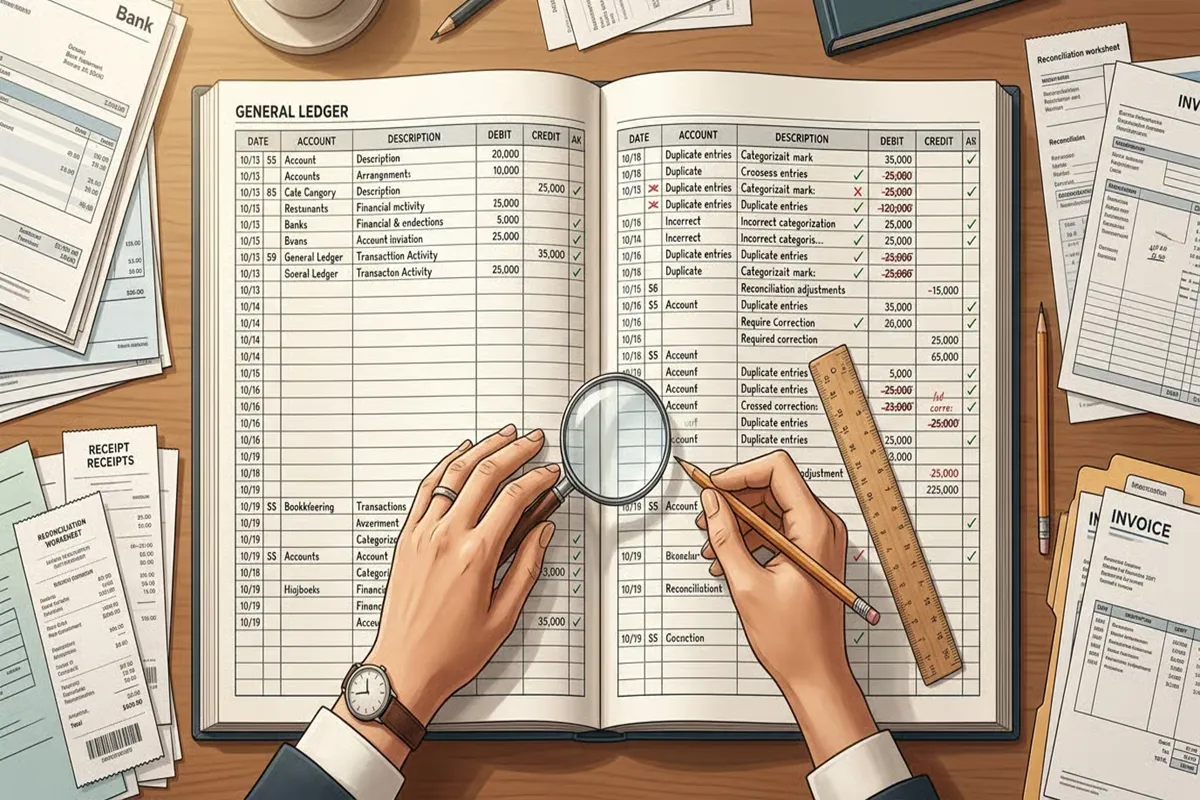
Cleanup bookkeeping is about the quality of records that already exist. Transactions may be entered, but something is inaccurate, inconsistent, duplicated, unreconciled, or difficult to explain.
Knowing the difference matters because the fix depends on the condition of your books.
If entire periods are missing, you first need to restore the missing financial activity. If the records are already there but cannot be trusted, the focus shifts to correcting and reconciling them.
And if your books are both behind and messy, you may need both.
In this guide, we will break down the difference between bookkeeping cleanup and catch-up bookkeeping, show you the signs of each problem, and help you determine what your business should address first.
What Is Catch-Up Bookkeeping?
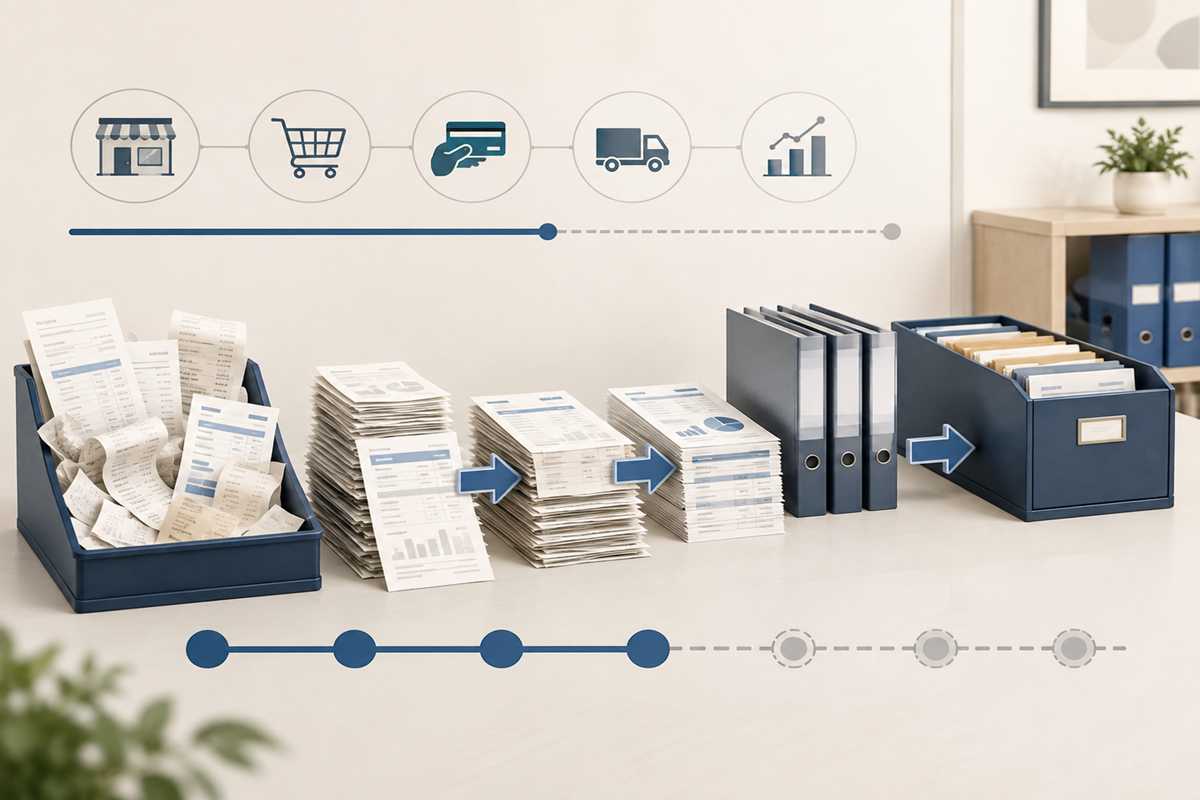
Catch-up bookkeeping is the process of bringing financial records up to date when bookkeeping has fallen behind.
The key issue is missing activity.
The business continued operating, but the bookkeeping did not keep pace. Transactions may exist in bank feeds, receipts, invoices, or statements, but they were never fully recorded in the accounting system. Current bookkeeping sources consistently use this distinction, defining catch-up work as restoring activity that is missing from the ledger rather than correcting records that already exist.
Signs You May Need Catch-Up Bookkeeping
You may need catch-up work if:
several weeks or months of transactions have not been recorded
bank or credit card accounts have not been reconciled for a long period
invoices, payments, or expenses are missing from the books
bookkeeping stopped during a busy season
a new bank account, credit card, or payment platform was never added to the accounting system
you are approaching tax preparation and realize the books are not current
The common thread is time.
There is a gap between what happened in the business and what made it into the books.
A Simple Catch-Up Example
Imagine your bookkeeping was accurate through March.
April became busy, then May passed, then June. By July, the business had four months of bank activity, expenses, invoices, and payments that had never been fully recorded.
The existing records through March may be perfectly fine.
The problem is everything that came after them.
That is a catch-up problem.
The first job is to reconstruct the missing periods, record the activity, and bring the books forward to the present. Once that is done, you can evaluate whether any cleanup is also needed.
What Is Bookkeeping Cleanup?

Bookkeeping cleanup is the process of correcting financial records that already exist but are inaccurate, inconsistent, unreconciled, or difficult to trust.
The key issue is not missing time.
It is record quality.
Your books may be current through the most recent month, but that does not mean they are correct. Cleanup work focuses on identifying and fixing the problems inside the existing records.
Signs You May Need Bookkeeping Cleanup
You may need cleanup work if:
bank or credit card balances do not match the books
duplicate transactions appear
personal and business expenses are mixed together
expenses are categorized inconsistently
old balances remain unexplained
payments are applied incorrectly
accounts receivable or accounts payable look wrong
transactions sit in uncategorized accounts for long periods
financial reports do not reflect what you know happened in the business
The common thread is reliability.
The activity is there, but the numbers may not tell the truth clearly enough to support tax preparation or business decisions.
A Simple Cleanup Example
Imagine your bookkeeping is current through July.
Every month is entered. Your bank feeds are connected. Reports generate without a problem.
But when you compare the books to the bank, the balances do not match. Some transactions appear twice. Several expenses were placed in the wrong categories, and a few old balances cannot be explained.
That is a cleanup problem.
You do not need to reconstruct missing months.
You need to correct the records that already exist so the financial information becomes reliable again.
The difference is simple:
Catch-up bookkeeping fills in what is missing.
Cleanup bookkeeping fixes what is already there.
Bookkeeping Cleanup vs. Catch-Up at a Glance
Catch-up and cleanup bookkeeping often overlap, but they solve different problems.
Catch-up bookkeeping focuses on missing financial activity. The core problem is that part of the bookkeeping has not been completed. Entire weeks or months may be missing, transactions may not have been entered, expenses may be unrecorded, or invoices may be incomplete.
The main job is to bring the books up to date using bank statements, credit card statements, invoices, receipts, and other transaction records.
Bookkeeping cleanup focuses on financial activity that is already recorded but cannot be fully trusted. The books may be current, but balances may not match, reports may not make sense, or existing records may contain errors. Common cleanup issues include duplicate transactions, miscategorized expenses, unreconciled accounts, incorrect balances, and unexplained entries.
The main job is to correct the records that already exist using the bookkeeping records, reconciliations, account balances, and supporting documents.
You can also need both services at the same time.
The easiest way to think about the difference is this:
If your books are missing time, you likely need catch-up.
If your books are current but cannot be trusted, you likely need cleanup.
And if you have missing months plus inaccurate records from earlier periods, you may need both.
That is why the next question is not simply, “Which service do I need?”
It is: “What condition are my books actually in right now?”
What If You Need Both?
It is common for catch-up and cleanup problems to show up together.
For example, your bookkeeping may be four months behind, while the earlier records also contain duplicate transactions, incorrect categories, or unreconciled accounts.
In that situation, the first step is usually to restore the missing activity so you can see the full financial picture.
Once the books are current, you can review the records for errors and complete the cleanup.
The sequence often looks like this:
Record the missing transactions.
Reconcile the accounts.
Review the completed books for errors.
Correct the issues that remain.
Trying to clean up incomplete books can create more work because you are still making decisions without the full set of financial activity.
The useful question is not, “Do I need catch-up or cleanup?”
It may be: “Which one needs to happen first?”
How to Tell What Your Business Needs
If you are still unsure whether you need catch-up bookkeeping, cleanup, or both, ask a few simple questions.
Are entire weeks or months missing from the books? If yes, you likely need catch-up work.
Are the transactions there, but the balances, categories, or reconciliations do not make sense? That points toward cleanup.
Do the books stop at a certain month, while the earlier records also contain errors?
Then you may need both.
Can you trace the numbers in your financial reports back to actual transactions and supporting records?
If not, the issue may be less about missing time and more about reliability.
The goal is to identify the condition of the books before deciding what kind of work comes next.
Once you know whether the problem is missing activity, inaccurate activity, or both, the path forward becomes much clearer.
When DIY Cleanup or Catch-Up Becomes Risky

Some bookkeeping problems are manageable on your own.
A short gap, a few missing transactions, or one unreconciled account may be straightforward if you understand what happened and know how to correct it.
The risk increases when the records become too complex to verify with confidence.
You may want professional help if:
several months or years are incomplete
multiple bank or credit card accounts do not reconcile
personal and business transactions are heavily mixed
payroll records are involved
old balances cannot be explained
prior tax returns may have relied on inaccurate books
accounts receivable or accounts payable are unreliable
you keep making corrections without understanding why the reports still look wrong
At that point, the problem is not simply the amount of work.
It is whether you can trust the result.
A useful question to ask is:
“Do I understand these records well enough to know that I fixed them correctly?”
If the answer is no, continuing to make changes can create more confusion.
The goal is not to make the books look complete.
The goal is to make them complete, accurate, and reliable enough to support tax preparation and business decisions.
Frequently Asked Questions
Is catch-up bookkeeping the same as cleanup?
No.
Catch-up bookkeeping focuses on missing financial activity. Cleanup focuses on correcting records that already exist but are inaccurate, inconsistent, or unreconciled.
A business can need one or both.
Should catch-up happen before cleanup?
Usually, yes.
If entire periods are missing, it makes sense to restore that activity first so you can review the complete financial picture. Once the books are current, you can identify the cleanup issues that remain.
Can my books be current and still need cleanup?
Yes.
Current books can still contain duplicate transactions, incorrect categories, unreconciled accounts, or unexplained balances. Being up to date does not automatically mean the records are reliable.
Can QuickBooks fix messy books automatically?
Accounting software can help organize and reconcile information, but it does not automatically understand the full context behind every transaction.
If the underlying records are inaccurate or incomplete, someone still needs to review what happened and determine how the books should be corrected.
How do I know if I need professional help?
If you cannot explain the balances, reconcile the accounts, identify what is missing, or confidently verify that your corrections are right, professional help may be the safer next step.
The question is not whether the software allows you to make changes.
It is whether you understand the records well enough to know the changes are correct.
Know What Your Books Need Before You Start Fixing Them

Catch-up bookkeeping and cleanup bookkeeping solve different problems. Catch-up fills in missing activity. Cleanup corrects records that already exist but cannot be trusted.
And sometimes, you need both.
The important thing is to identify the condition of your books before you start making changes.
Ask yourself:
Are entire periods missing?
Are the records current but inaccurate?
Do the balances reconcile?
Can you explain where the numbers came from?
Once you know whether the problem is missing activity, unreliable activity, or both, the next step becomes much clearer.
If your books are behind, messy, or both, schedule an appointment with Trustway Accounting. We can help you review the records, identify what needs attention first, and create a clear path toward accurate, reliable books.
Schedule Your Bookkeeping Appointment