
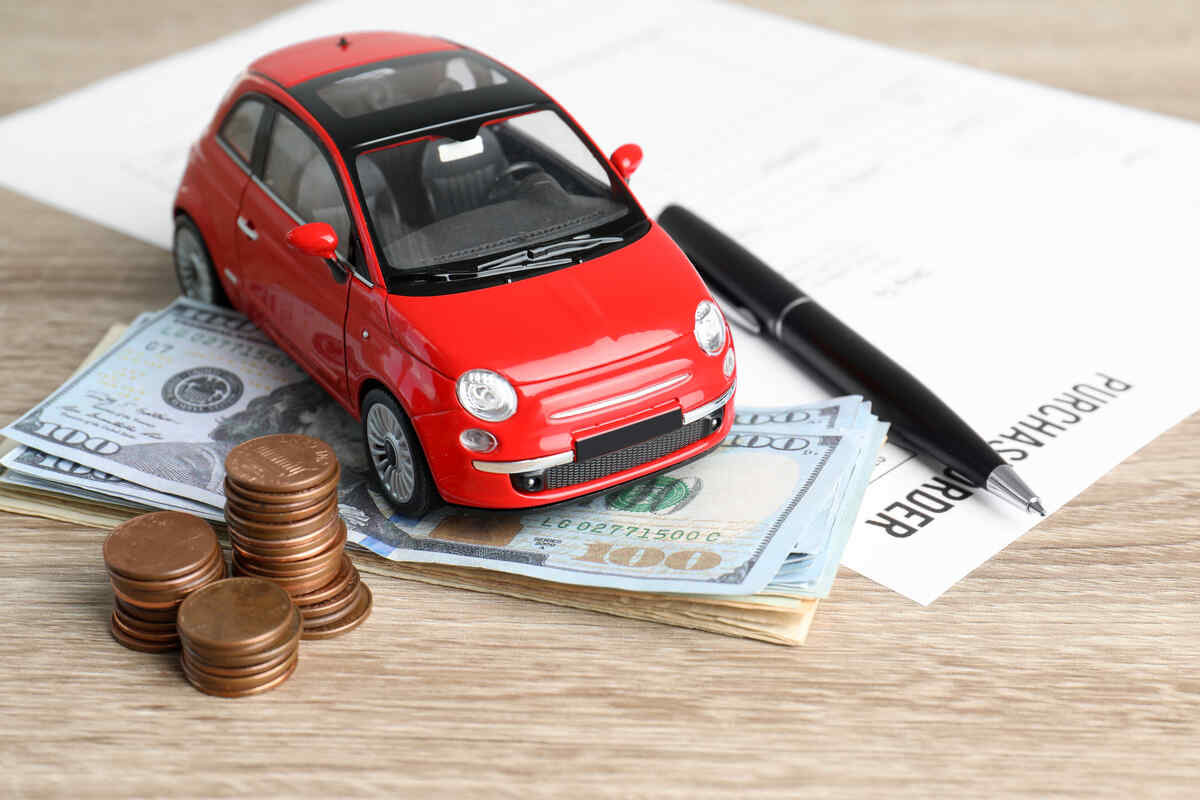
Bad Credit Car Loans: What You Need to Know Before You Apply
You need a car. That part is simple.
What’s not simple is everything that comes next.
Your credit isn’t where you want it to be. You’ve probably seen ads promising “guaranteed approval” or “no credit needed.” It sounds like a solution. In reality, it’s only part of the story.
Getting approved for a bad credit car loan is easier than most people expect. Lenders are willing to say yes. The real question is whether that “yes” puts you in a better financial position or quietly makes things harder over time.
This is where most people get stuck.
They focus on the monthly payment. They focus on getting the car. They move fast because they need transportation now. But they don’t always see the full cost, the long-term impact, or the alternatives that could put them in a stronger position.
If you’ve ever thought:
“I just need something reliable to get to work”
“I’ll deal with the financial side later”
“This is probably my only option right now”
You’re not alone.
This guide will walk you through what a bad credit car loan actually means, what lenders don’t always explain clearly, and how to make a decision that supports your financial future, not just your immediate need.
Because this isn’t just about getting a car.
It’s about making a decision you won’t regret six months from now.

What Is a Bad Credit Car Loan?
A bad credit car loan is exactly what it sounds like: a loan designed for people with lower credit scores who may not qualify for traditional financing.
On the surface, it seems straightforward. You need a car, your credit isn’t perfect, and a lender is willing to work with you. Problem solved.
But there’s more happening behind the scenes.
Lenders use your credit score to measure risk. When your score is lower, they assume there’s a higher chance you might miss payments or default on the loan. To offset that risk, they adjust the terms of the loan in their favor.
That usually means:
Higher interest rates
Larger total repayment amounts
Stricter terms or conditions
For example, someone with strong credit might qualify for a low interest rate and pay only slightly more than the car’s price over time. Someone with bad credit could end up paying thousands more for the exact same vehicle.
Here’s a simple way to think about it:
A bad credit car loan doesn’t just change whether you get approved.
It changes how expensive that approval becomes.
Most lenders define “bad credit” somewhere below the mid-600s, with significantly higher costs as scores drop into the 500s or lower. That doesn’t mean approval is impossible. In many cases, it’s actually very likely.
And that’s where people get caught off guard.
Because approval feels like progress. It feels like a win. But in reality, it’s just the starting point of a financial commitment that can follow you for years.
Understanding that difference is what helps you make a smarter decision.

Why Getting Approved Is Easier Than You Think
This is where most people misunderstand how the system works.
You might assume that because your credit isn’t strong, getting approved for a car loan will be difficult. In reality, many lenders are set up specifically to approve borrowers in this exact situation.
They expect bad credit.
And they’ve built their entire model around it.
Here’s what’s actually happening behind the scenes:
Lenders don’t just make money when things go perfectly. They make money by pricing risk. When your credit score is lower, they increase the interest rate, adjust the loan terms, and structure the deal so it works in their favor.
That means:
Higher interest rates generate more profit over time
Longer loan terms increase total repayment
Down payments and fees reduce their risk upfront
So when you get approved, it’s not because the lender is taking a chance on you.
It’s because the deal is structured to protect them.
This is why you’ll often see ads like:
“Guaranteed approval”
“Bad credit? No problem”
“Drive away today”
They’re not misleading. Approval really is more accessible.
But they leave out an important detail.
Approval is based on what you can pay monthly, not what you should pay overall.
That’s a critical difference.
A loan can look affordable because the monthly payment fits your budget. But behind that number, you could be committing to a much higher total cost than you realize.
This is where people feel relief at first, then pressure later.
Because the decision was based on getting approved, not fully understanding the long-term impact.
And once you sign, you’re locked into that structure.
That’s why the next step isn’t asking, “Can I get approved?”
It’s asking, “What does this approval actually cost me over time?”

The Hidden Costs Most People Overlook
This is where the real decision gets made.
Not at the dealership.
Not when you get approved.
But when you understand what this loan will actually cost you over time.
Because most bad credit car loans don’t feel expensive at the beginning.
They feel manageable.
The monthly payment looks reasonable. The process feels quick. You finally have a solution to your immediate problem.
But the true cost is rarely obvious upfront.
High Interest Rates Add Up Faster Than You Think
With bad credit, interest rates are significantly higher. That’s not a small detail. It changes everything.
A $15,000 car can quietly turn into $20,000 or more by the time the loan is paid off.
And you won’t feel that difference all at once.
You’ll feel it slowly, month after month, as more of your payment goes toward interest instead of actually paying down the car.
Longer Loan Terms Create a False Sense of Affordability
To make payments feel easier, lenders often stretch the loan over a longer period.
That lowers your monthly payment.
But it increases the total amount you pay.
It’s one of the most common traps:
You think you’re making the smart choice because the payment fits your budget.
In reality, you’re committing to years of extra cost.
Negative Equity Can Lock You In
This is where things get frustrating.
Cars lose value quickly. If your loan balance drops slower than the car’s value, you end up owing more than the car is worth.
That’s called negative equity.
If you try to sell or trade in the car, you’re stuck covering the difference.
And many people roll that debt into another loan, making the next situation even harder.
Monthly Payments Put Pressure on Your Entire Budget
This part is often underestimated.
A car payment isn’t just a car payment.
It affects everything else:
Your ability to save
Your flexibility when unexpected expenses come up
Your overall stress level month to month
For someone already dealing with financial pressure, this can turn a short-term solution into a long-term burden.
And this is exactly what your audience is trying to avoid.
They don’t just want a car.
They want relief. They want stability. They want to feel like they’re finally moving in the right direction.
The Real Cost Isn’t Just Financial
It’s also mental.
When a payment stretches your budget too far, it creates constant background stress. Every bill, every unexpected expense, every tight month becomes harder to manage.
That’s why this decision matters more than it seems.
It’s not just about what you can afford today.
It’s about what you can comfortably live with over time.
When a Bad Credit Car Loan Might Make Sense
It’s easy to frame bad credit car loans as a bad decision across the board.
That’s not accurate.
There are situations where taking the loan is reasonable. In some cases, it can even be the right move. The key is understanding the difference between a necessary decision and a reactive one.
You Need Reliable Transportation to Earn Income
If your ability to work depends on having a car, the situation changes.
Maybe you commute to a job with no public transport.
Maybe your income depends on driving.
Maybe unreliable transportation is already costing you opportunities.
In these cases, a car isn’t a luxury. It’s part of your income strategy.
If the loan helps you maintain or increase your income, it can justify the cost.
You Have Stable, Predictable Income
A higher-interest loan becomes less risky when your income is consistent.
You’re not guessing whether you can make payments. You know you can.
That stability reduces the chance of missed payments, added fees, or further credit damage. It also gives you the option to pay extra when possible and reduce the total cost over time.
You’ve Looked at the Full Cost, Not Just the Payment
This is where most people separate from the crowd.
If you’ve taken the time to understand:
Total repayment over the life of the loan
Interest rate and how it affects your payments
How the loan fits into your overall budget
Then you’re making a decision based on clarity, not urgency.
That alone puts you in a stronger position than most borrowers.
You Have a Plan to Improve Your Financial Position
The loan should not be the end of the plan.
It should be part of one.
For example:
You plan to refinance after improving your credit
You’re actively paying down other debts
You’re building savings alongside your payments
This shifts the loan from a long-term burden into a temporary step.
You’re Avoiding the “Quick Fix” Mindset
The biggest risk isn’t bad credit. It’s rushed decisions.
When you slow down, look at the full picture, and make a decision based on your actual situation, the outcome changes.
You’re no longer reacting.
You’re choosing.
And that aligns with what your audience is really looking for:
not just a solution, but confidence that they’re making the right one.

When You Should Pause Before Taking a Loan
This is the part most people skip.
Not because it’s complicated.
Because it forces you to slow down when you feel pressure to move fast.
And that pressure is real.
You need a car. You want the problem solved. You want to move forward. But in some situations, taking the loan right now doesn’t solve the problem. It makes it harder.
You’re Already Struggling With Existing Debt
If you’re juggling credit cards, personal loans, or past-due bills, adding another payment rarely fixes things.
It tightens your cash flow.
What feels manageable today can quickly turn into stress when multiple payments hit at once. And once you’re stretched too thin, even a small unexpected expense can throw everything off.
In this situation, the better move is often to stabilize first, then take on new commitments.
You Don’t Have Any Financial Cushion
No savings means no margin for error.
If something goes wrong, like a reduced work schedule, a medical expense, or a car repair, there’s nothing to absorb the impact.
That’s when people start missing payments, relying on more credit, or falling into deeper financial pressure.
A loan works best when you have at least a small buffer behind it.
Without that, every payment carries more risk.
You’re Choosing Based on the Lowest Monthly Payment
This is one of the most common traps.
You walk into a dealership with a number in mind. “I can afford $350 a month.” The deal gets structured to hit that number.
It feels like a win.
But that number often comes from extending the loan term or increasing the total cost. You get a lower payment, but a heavier long-term commitment.
If the decision is driven only by the monthly payment, you’re missing the bigger picture.
You Haven’t Looked at Alternatives Yet
When you feel urgency, it’s easy to believe this is your only option.
It usually isn’t.
Even a short delay to explore alternatives can change the outcome:
Saving a larger down payment
Improving your credit slightly
Finding a lower-cost vehicle
Those small shifts can significantly reduce the total cost of the loan.
You’re Hoping Things Will “Figure Themselves Out”
This one is subtle, but important.
If part of your plan sounds like:
“I’ll manage it somehow”
“I’ll deal with it later”
“It should be fine”
That’s a signal to pause.
Financial decisions work best when they’re intentional. When you know how the numbers fit together. When you’re not relying on things going perfectly.
Pausing Isn’t Falling Behind
It’s easy to feel like waiting means you’re stuck.
In reality, it often means you’re protecting your future options.
The goal isn’t just to get a car.
It’s to move forward without creating new financial pressure that follows you for years.
And sometimes, the smartest move is not the fastest one.
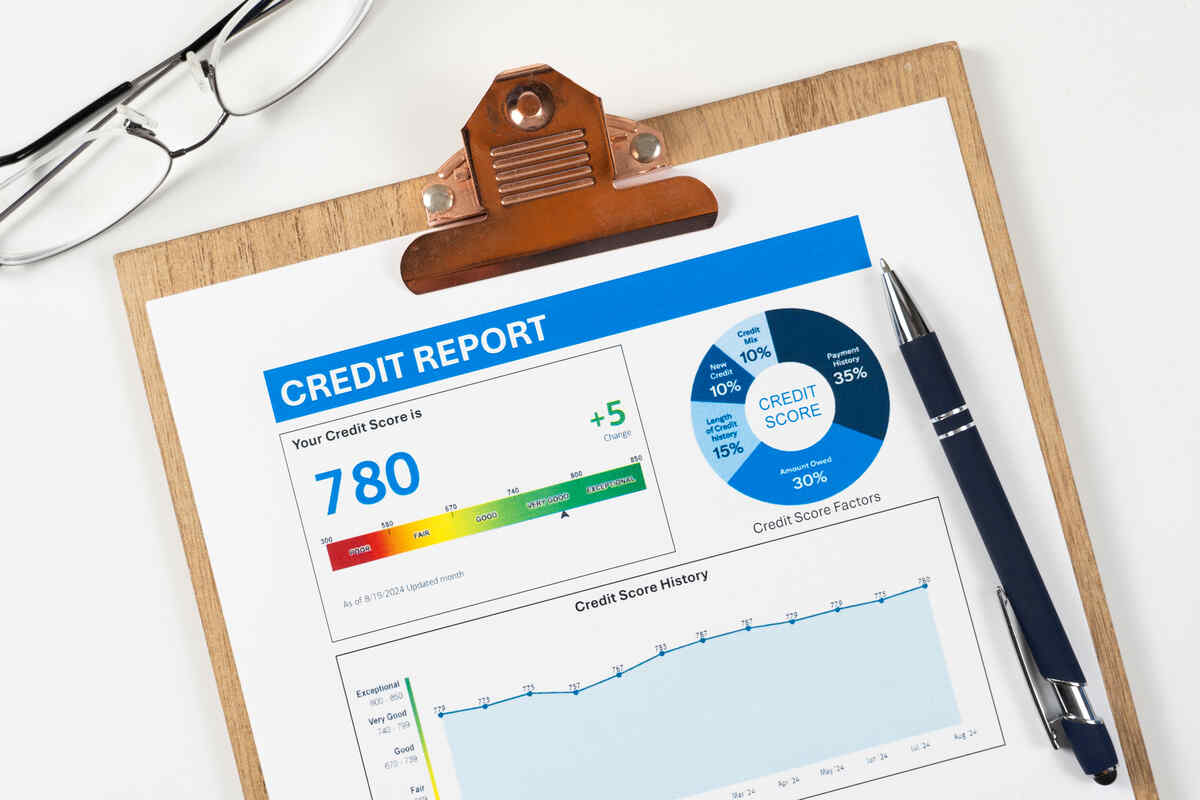
How to Improve Your Chances Without Hurting Your Future
If you decide to move forward with a car loan, the goal isn’t just approval.
It’s getting approved on terms that don’t put you under pressure later.
A small improvement in your financial position can make a noticeable difference in what you’re offered. Better rates. Better terms. More flexibility.
And most of these steps don’t require months or years. They require focus.
Check and Understand Your Credit First
Before you apply for anything, know where you stand.
Take time to review your credit and understand how lenders evaluate your profile, especially if you’re trying to get a car loan with bad credit.
Pull your credit report and look for:
Errors or outdated information
Accounts in collections
Credit utilization (how much of your available credit you’re using)
Even small corrections can improve your score. And a slightly higher score can lead to better loan terms.
More importantly, it gives you clarity.
You’re no longer guessing how lenders see you.
Pay Down High-Impact Debt
Not all debt affects your credit the same way.
Credit cards with high balances tend to have a bigger impact on your score. Reducing those balances, even partially, can improve your position faster than you expect.
This also helps your monthly cash flow.
Less debt means more flexibility, which makes any new payment easier to manage.
Save for a Down Payment
A down payment does two important things:
It reduces the amount you need to borrow.
And it shows lenders you have financial discipline.
Even a modest down payment can:
Lower your monthly payment
Reduce your interest costs
Improve your chances of approval
It also gives you a buffer. You’re not starting from zero.
Be Selective About Where You Apply
Not all lenders operate the same way.
Some specialize in working with borrowers who are actively improving their financial situation. Others focus purely on high-risk, high-profit loans.
Take your time here.
Look for lenders who:
Clearly explain terms
Don’t pressure you into immediate decisions
Allow you to review full loan details before committing
If something feels rushed or unclear, that’s a signal to step back.
Avoid Offers That Sound Too Easy
“Guaranteed approval” often comes with trade-offs that aren’t obvious upfront.
Higher rates. Hidden fees. Unfavorable terms.
Approval alone is not the goal.
The goal is a loan you can manage comfortably while improving your overall financial position.
Think Beyond This Loan
This decision should support where you’re going, not just where you are today.
If you can:
Improve your credit even slightly
Reduce existing debt
Build a small financial cushion
You shift from reacting to planning.
And that’s where better outcomes start to show up.
This approach reflects something many people overlook:
Financial progress doesn’t come from one big decision.
It comes from a series of smaller, intentional ones that work together.

Smarter Alternatives to Consider First
When you feel stuck, it’s easy to think in extremes.
“I either get this loan now, or I can’t move forward.”
That’s rarely true.
In many cases, there are smaller, smarter moves that reduce risk, lower cost, and give you more control. They may not feel as immediate, but they often lead to a better outcome.
Buying a Lower-Cost Car With Cash
This is the least talked about option, but one of the most powerful.
A modest, reliable used car paid in cash removes the need for a loan entirely. No interest. No monthly payments. No long-term commitment.
It may not be your ideal vehicle.
But it gives you something more valuable right now: financial breathing room.
That breathing room can be used to:
Pay down debt
Build savings
Improve your credit
And that puts you in a stronger position for your next decision.
Delaying the Purchase to Improve Your Credit
Even a short delay can make a difference.
Improving your credit score slightly can lead to:
Lower interest rates
Better loan terms
Reduced total cost
This doesn’t require a complete financial reset.
In some cases, 30 to 90 days of focused effort, like paying down balances or correcting errors, can shift your options meaningfully.
It’s not about waiting forever.
It’s about improving your position before committing.
Increasing Your Down Payment
If waiting isn’t realistic, adjusting how you enter the loan can still help.
A larger down payment:
Reduces how much you borrow
Lowers your monthly payment
Decreases your overall interest cost
It also reduces the risk of negative equity.
Even a few extra weeks of saving can make a noticeable difference here.
Exploring Temporary Transportation Options
This is often overlooked because it feels inconvenient.
But short-term solutions can buy you time to make a better long-term decision.
Options might include:
Carpooling
Public transportation
Rideshare for essential trips
Borrowing a vehicle temporarily
It’s not permanent.
It’s strategic.
You’re trading short-term inconvenience for long-term financial stability.
Reframing the Decision
This is the shift that matters most.
Instead of asking:
“How do I get approved?”
Ask:
“What puts me in the strongest position three to six months from now?”
That question changes everything.
It slows the decision down just enough to see options you might have missed. And it aligns with what most people actually want, not just a quick solution, but a path that reduces stress and builds confidence over time.

How This Decision Affects Your Bigger Financial Picture
A car loan doesn’t exist on its own.
It becomes part of your entire financial system.
That’s where most people underestimate the impact. They focus on getting the car and managing the payment. But over time, that one decision starts influencing everything else.
It Shapes Your Monthly Financial Flexibility
Every fixed payment reduces your margin.
That margin is what allows you to:
Handle unexpected expenses
Take advantage of opportunities
Build savings without stress
When a car payment takes up too much space, everything else becomes tighter.
You feel it when a bill comes in higher than expected.
You feel it when something breaks.
You feel it when you want to move forward financially but can’t.
This is where short-term decisions turn into long-term pressure.
It Affects How Quickly You Can Get Out of Debt
If you’re already carrying debt, adding a car loan can slow your progress.
Instead of paying down high-interest balances, part of your income is now locked into a fixed obligation. That delays your ability to reduce other debts and improve your overall position.
And the longer that cycle continues, the harder it becomes to break.
It Influences Future Financial Opportunities
Your current loan affects what you can do next.
Lenders look at:
Your total debt
Your payment history
Your available income after expenses
If too much of your income is already committed, it limits your options for:
Future financing
Better loan terms
Financial flexibility when you need it
This is especially important if you’re planning other moves, like relocating, starting a business, or making a larger purchase.
It Impacts Your Stress and Decision-Making
This part doesn’t show up on paper, but it matters.
When your finances feel tight, your decisions change.
You may:
Delay important expenses
Avoid looking at your numbers
Make faster, reactive choices just to relieve pressure
Over time, that creates a cycle.
Financial stress leads to rushed decisions.
Rushed decisions create more financial stress.
Breaking that cycle starts with one thing: clarity, especially when you learn how to avoid common financial mistakes that quietly drain your progress.
And that’s the difference between reacting to your finances and actually managing them.
This Is Where Guidance Matters
Most people don’t struggle because they’re irresponsible.
They struggle because no one helped them connect the dots.
A car loan isn’t just about transportation.
It’s part of how your money flows, how your decisions compound, and how confident you feel about your financial direction.
That’s why taking a step back and looking at the full picture matters.
It gives you control.
And when you have control, you make better decisions. Not just for today, but for everything that comes next.

Make the Decision That Actually Moves You Forward
At some point, this stops being about cars and credit scores. It becomes about direction. You can get approved for a bad credit car loan. That part is not the challenge. The real question is whether that decision puts you in a stronger position or quietly adds pressure you’ll feel every month. When you slow down and look at the full picture, the numbers, the timing, and the impact on your day-to-day life, the right path becomes clearer.
You don’t need perfect credit to move forward. You need clarity, a plan, and the confidence that your decision supports where you’re going, not just where you are right now. That’s where most people struggle. They’re forced to make financial decisions under pressure, without clear guidance, and without seeing how everything connects. Over time, those small decisions start to stack.
If you’re unsure what makes sense in your situation, or you want a second opinion before committing to a loan, it helps to talk it through with someone who understands the bigger picture.
At Trustway Accounting, the focus is on helping you make informed decisions that reduce stress and build long-term stability. If you want clear, straightforward guidance tailored to your situation, call 205-463-5260 and get the clarity you need before you move forward.