

5 Signs Your Taxes Have Become More Complicated Than They Look
The Shift from Simple Filing to Financial Complexity
If your financial life includes side hustles, home office expenses, or major personal milestones, continuing to rely on basic DIY software exposes you to hidden risks and lost tax savings. Spotting the early signs of tax complexity helps you know when to transition from automated tools to professional guidance.
Standard software relies on rigid questionnaires that cannot evaluate individual nuances or complex expense categories. When every entry requires guesswork, filing on your own quickly becomes inefficient and stressful.
Outgrowing basic tax tools is a natural result of financial growth. Understanding these clear tax complexity signs ensures you protect your earnings and maintain full compliance.
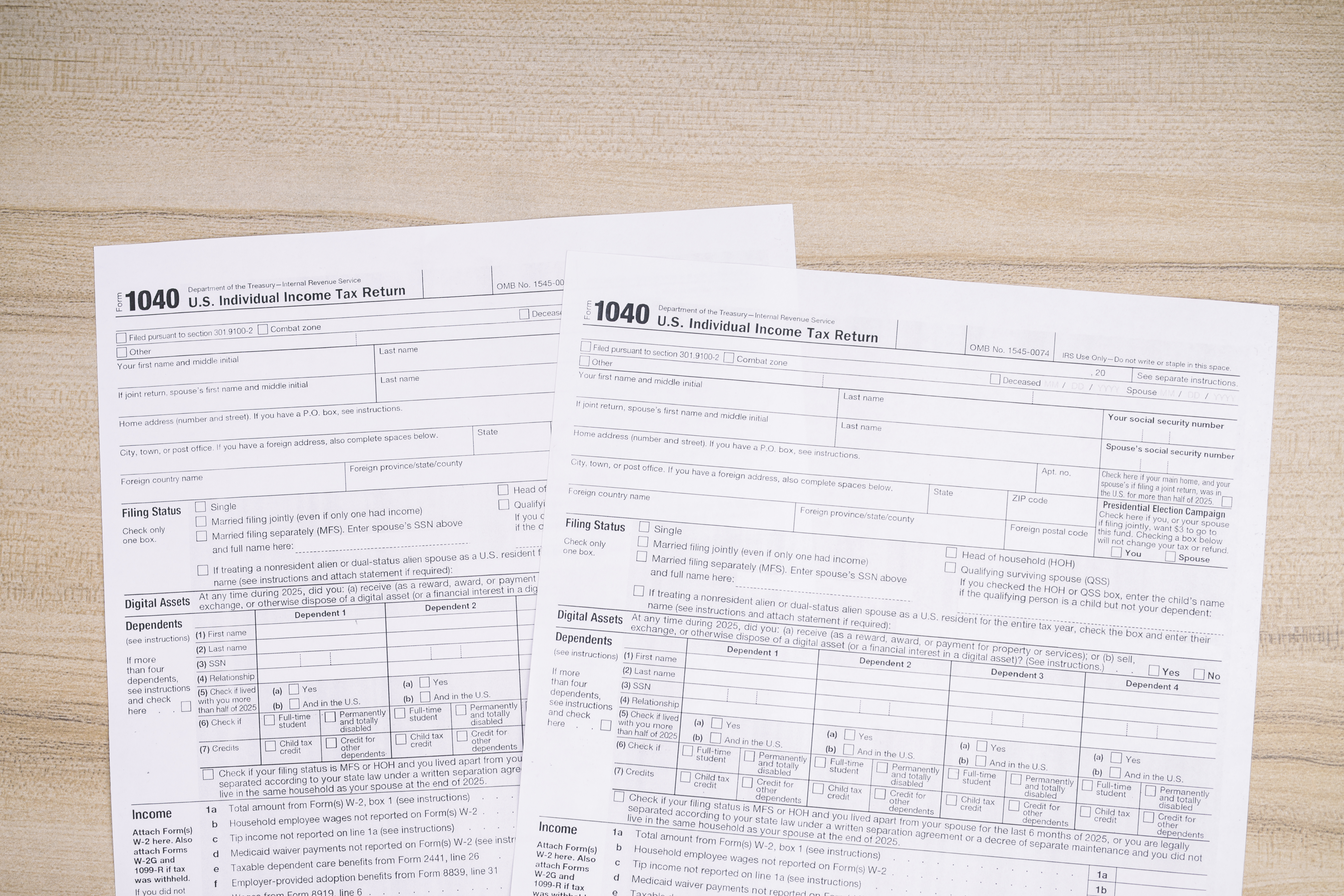
Sign 1: You Have Multiple Income Streams (W-2s, 1099s, and Side Hustles)
Managing multiple income streams means handling different tax withholding rules and reporting requirements for W-2 wages and 1099 earnings simultaneously. While standard employer payroll automatically deducts federal, state, and Social Security taxes, freelance and contract payments require you to track and submit your own tax obligations.
Handling separate income sources without professional guidance creates significant exposure to self-employment tax errors and underpayment penalties. Freelance revenue is subject to the 15.3% self-employment tax rate to cover Medicare and Social Security, which catches many part-time contractors off guard at year-end. Failing to track these obligations or skipping quarterly estimated tax payments often results in steep penalties from the IRS.
Structuring multi-income reporting accurately ensures full compliance while protecting your profit from unnecessary taxation. A dedicated tax professional classifies every dollar correctly, calculates exact self-employment liabilities, and sets up a predictable schedule for quarterly estimated payments. This structured approach eliminates surprises and ensures you capture every legitimate write-off tied to your independent work.
Sign 2: You're Guessing on Eligible Deductions and Home Office Expenses
Guessing on eligible write-offs occurs when you lack definitive IRS documentation to confirm whether business expenses or home office costs qualify for tax deductions. Generic software prompts often leave room for interpretation regarding the simplified home office method versus actual expense tracking.
Guessing on write-offs creates two distinct operational risks for your personal finances. Overlooking valid business expenses means leaving your hard-earned money on the table by overpaying on your total tax liability. On the flip side, claiming improper deductions or guessing on unverified mileage logs raises red flags that significantly increase your audit risk.
A systematic expense review provides total certainty by identifying every legitimate write-off while building complete supporting documentation. Your accountant evaluates your actual work setup, applies current tax codes accurately, and establishes compliant records for equipment and home workspace expenses. You get the maximum allowable tax savings without worrying about IRS scrutiny down the road.
Sign 3: Major Life Changes Occurred This Year (Marriage, Home Purchase, or New Business)
Major life transitions alter your tax situation by changing your filing status, eligible tax credits, and income brackets. Events such as getting married, buying real estate, or launching a new business require strategic adjustments to avoid miscalculated liabilities.
Filing under an improper status or failing to adjust your strategy after a major milestone leads to costly long-term mistakes. Married couples often default to filing jointly without realizing that filing separately might preserve specific income-driven credit thresholds or student loan payment plans. Similarly, new homeowners frequently miss energy credits, mortgage interest deduction caps, or local tax write-offs due to unfamiliarity with real estate tax rules.
Proactive tax planning aligns your annual filing strategy directly with your changing life circumstances. An experienced professional evaluates how recent life events impact your overall financial picture, adjusts your employer tax withholdings, and applies all eligible credits. This ensures your tax returns reflect your current reality accurately while positioning you for maximum savings.
Sign 4: DIY Tax Software Leaves You Second-Guessing Every Question
Second-guessing DIY tax software stems from reaching the limits of automated decision trees when handling non-standard financial situations. Static interview prompts fail to offer personalized answers for complex scenarios like stock options or multi-state earnings.
Relying on software prompts for complex financial situations wastes valuable time and creates lingering anxiety. You end up spending hours digging through online forums, reading conflicting tax articles, and making unguided guesses just to complete a form. Even after clicking submit, you are left with the nagging worry that you made a mistake or overpaid.
Handing off complex filings to a dedicated tax professional replaces uncertainty with expert oversight. Instead of interpreting rigid software questions on your own, an accountant reviews your complete financial picture, identifies strategic opportunities, and handles the filing end-to-end. Learn more about how professional tax services save you hours of effort and provide complete confidence in your return's accuracy.

Sign 5: You Owe Unexpected Money or Got a Surprising Tax Bill Last Year
An unexpected tax bill indicates an imbalance between your actual taxable earnings and your withholding or estimated payment strategy throughout the year. Unplanned tax liabilities usually arise from unmonitored side earnings, incorrect employer W-4 withholdings, or capital gains.
Recurring tax surprises drain your personal savings and can result in additional IRS interest and underpayment penalties. Relying on last-minute calculations forces you to scramble for funds or set up costly payment plans with tax authorities. Without adjusting your approach, the same painful surprise will repeat itself year after year.
A comprehensive 2nd Opinion Tax Review uncovers previous filing mistakes and stabilizes your future tax position. Your professional analyzes past tax returns to identify missed deductions, adjusts current withholdings, and establishes a clear strategy for the upcoming year. This proactive approach turns tax time into a predictable, manageable process.
What Happens When You Outgrow DIY Tax Software
When your financial life extends beyond a single W-2, rigid decision trees in basic tax software cannot evaluate context or strategic opportunities. Moving to professional oversight replaces mechanical entry with personalized tax planning, ensuring full compliance and accurate write-offs.
Common Misconceptions About Hiring a Tax Professional
Many taxpayers delay seeking professional tax help because they believe their financial situation is too small to justify an accountant. People often assume that hiring a professional is a luxury reserved strictly for high-net-worth individuals or large corporations. In reality, any individual managing self-employment income, side contracts, or changing life circumstances benefits significantly from expert accounting services and ongoing support.
Another frequent misconception is that working with a tax professional costs more than the financial return it generates. Many taxpayers assume that paying for professional tax preparation is simply an added out-of-pocket expense. In practice, a skilled accountant often saves you far more money than their fee by uncovering overlooked write-offs, preventing costly IRS penalties, and adjusting your future tax strategy.
Finally, some people believe that hiring an accountant takes away their control or makes the filing process more complicated. They worry about gathering massive amounts of paperwork or having to learn complicated accounting terms. Working with a responsive tax firm actually simplifies your life by establishing a clear, guided document collection process and explaining your tax position in simple, plain English.
Getting Clarity on Your Tax Situation
Recognizing that your taxes have outgrown a basic DIY approach is the key to protecting your time and your money. When multi-source income, home office deductions, or major personal changes enter the picture, filing taxes stops being a simple clerical task. Continuing to guess on tax software prompts usually leads to missed write-offs, tax-season stress, and unexpected tax bills.
Lowering your tax-related stress starts with handing off the complexity to a professional who evaluates your complete financial picture. Working with an experienced tax firm ensures that every allowable deduction is captured, your filing status is optimized, and your future liabilities are predictable. Instead of spending hours searching for tax answers online, you can move forward knowing everything is completely compliant.
If you are unsure whether past tax returns missed out on valuable write-offs, getting a second opinion is the best way to gain certainty. Request a 2nd Opinion Tax Review with Trustway Accounting today. Our team will review your previous tax filings, uncover missed deductions, and build a clear, stress-free strategy for the upcoming tax year.